Humane Pest Removal: Why It Matters for Fort Worth Homeowners

Scratching sounds in your attic at 2 AM usually mean you have uninvited guests, and Fort Worth's rapid growth has pushed raccoons, squirrels, and opossums straight into our neighborhoods. While some homeowners reach for traps or poison, these methods often create bigger problems than they solve. Humane wildlife removal protects your home without harming animals or breaking local wildlife laws, and companies like Wildlife X Team specialize in getting critters out safely while keeping them out for good.
Table of Contents
- The Wildlife Problem in Fort Worth
- What Makes Wildlife Removal Humane
- The Real Cost of Inhumane Removal Methods
- How Professional Humane Removal Works
- Prevention That Keeps Wildlife Out for Good
- Why Fort Worth Homeowners Choose Humane Methods
- Taking the Next Step Toward Humane Wildlife Control
- Common Questions About Humane Wildlife Removal
The Wildlife Problem in Fort Worth
Fort Worth sits right where the city meets wild spaces, which means animals looking for food and shelter often end up in people's homes. The area's mix of urban neighborhoods and natural habitats creates the perfect setup for wildlife to move in uninvited. As the city keeps growing and pushing into areas where animals used to live, more critters are finding their way into attics, crawl spaces, and walls. What makes things trickier is that Fort Worth's weather patterns and geography make it an attractive spot for all kinds of wildlife year-round.

background section
Common Wildlife Intruders in Fort Worth Homes
Several types of animals regularly cause problems for Fort Worth homeowners. Raccoons top the list because they're smart, strong, and can open almost anything. Squirrels come in a close second, especially during nesting season when they're looking for warm spots to raise their babies.
Here's what typically shows up in local homes:
- Raccoons that tear through roof vents and soffits to get into attics
- Squirrels that chew through wood and electrical wiring
- Opossums that crawl under houses and into crawl spaces
- Bats that squeeze through tiny gaps in rooflines
- Rats and mice that find their way through foundation cracks
When Wildlife Problems Get Worse
Wildlife activity follows pretty clear patterns throughout the year. Spring and fall are the busiest times because animals are either looking for places to have babies or trying to find warm spots before winter hits. Spring brings the biggest surge of activity as raccoons, squirrels, and other animals search for safe nesting spots.
Before you deal with any wildlife problem, it helps to know what questions to ask and what to look for in a removal service. The video above covers important things many homeowners miss when they're trying to solve wildlife issues.
Why Fort Worth Attracts Wildlife
The city's location makes it a wildlife magnet. Fort Worth has the Trinity River running through it, plus lots of creeks and wooded areas that animals call home. When neighborhoods get built near these natural areas, wildlife doesn't just disappear. They adapt and learn to live alongside people.
Geographic factors that bring wildlife to homes include:
- Proximity to the Trinity River and its tributaries
- Neighborhoods built near wooded areas and parks
- Mild winters that let animals stay active year-round
- Plenty of food sources from trash, pet food, and gardens
Understanding the Difference Between Pests and Wildlife
Not all unwanted animals are the same, and knowing the difference matters. Pests like cockroaches and termites are insects that damage property and spread disease, while wildlife refers to larger animals like raccoons and squirrels that are protected by different laws. This distinction is important because wildlife removal requires special permits and humane handling methods.
Wildlife removal companies like Wildlife X Team focus specifically on these larger animals and use methods that keep both the animals and your property safe. Regular pest control companies typically handle insects and rodents but aren't equipped to deal with raccoons tearing through your roof or squirrels nesting in your attic.
Common Fort Worth Wildlife and Their Entry Points
| Animal | Most Active Season | Common Entry Points | Typical Damage |
|---|---|---|---|
| Raccoons | Spring & Fall | Roof vents, soffits, chimneys | Torn insulation, contamination |
| Squirrels | Year-round (peak in spring) | Roof edges, attic vents, gaps in siding | Chewed wires, damaged wood |
| Opossums | Fall & Winter | Crawl spaces, foundation openings | Odor, droppings, insulation damage |
| Bats | Spring through Fall | Roof gaps, attic louvers, eaves | Guano buildup, health hazards |
| Rats/Mice | Year-round | Foundation cracks, utility lines, garage doors | Chewed materials, contamination |
The table shows how different animals target different parts of your home depending on the season. Knowing these patterns helps homeowners spot problems early before major damage happens. Companies that specialize in humane removal understand these behaviors and know exactly where to look during inspections.
What Makes Wildlife Removal Humane
Most people don't realize that wildlife removal doesn't have to mean harming animals. When a raccoon family moves into your attic or squirrels start nesting in your walls, the way you handle it makes all the difference. Humane wildlife removal focuses on safely capturing and relocating animals without causing them unnecessary stress or injury. It's about understanding that these creatures are just looking for shelter and food, not trying to ruin your day. The approach requires patience, knowledge of animal behavior, and the right equipment to do the job properly.
What Makes Wildlife Removal Humane
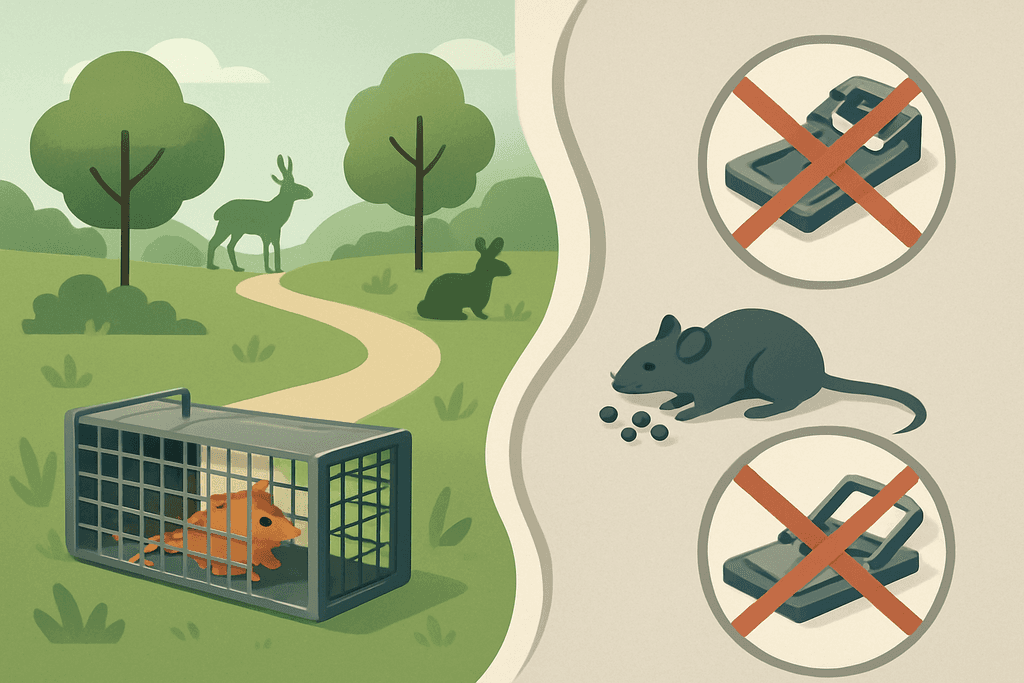
Traditional pest control often relies on methods that can be harsh or even lethal. Humane removal takes a completely different path.
- Live trapping uses specially designed cages that capture animals without harming them
- One-way doors allow animals to leave but not return, letting them exit on their own terms
- Exclusion techniques prevent entry without trapping animals inside walls or attics
- Timing considerations ensure babies aren't separated from mothers during nesting season
- Species-specific approaches account for different behaviors and needs of various wildlife
Texas has specific regulations about wildlife relocation that most homeowners don't know about. You can't just trap a raccoon and drop it off at a park across town. Professional wildlife removal specialists understand these laws and follow proper protocols for each species. They also know how to assess whether an animal needs immediate removal or if exclusion methods will work better for your specific situation.
The real difference comes down to understanding animal behavior. A squirrel doesn't chew through your roof because it's destructive. It's looking for a safe place to raise its young. When you understand this, you can address the problem in a way that works for everyone involved.
The Real Cost of Inhumane Removal Methods
Using poison or lethal traps might seem like a quick fix, but it usually creates bigger problems down the road. When an animal dies inside your walls or attic, you're left with a smell that can last for weeks or even months. The decomposition process attracts other pests like flies and beetles, and the health risks from bacteria and pathogens increase significantly. What seemed like a simple solution turns into a nightmare that costs way more to fix than humane removal would have in the first place.

The Real Cost of Inhumane Removal Methods
Texas wildlife laws are stricter than many people realize. Using certain methods or harming protected species can result in fines ranging from hundreds to thousands of dollars. Some homeowners have faced legal trouble for improper wildlife handling, especially when neighbors report the activity or when protected species are involved.
This video shows exactly what can happen when wildlife problems aren't handled correctly. The mystery odor these homeowners dealt with could have been avoided with proper removal techniques from the start.
DIY removal attempts often backfire in ways you wouldn't expect. Sealing up an entry point without making sure all animals are out first means babies can get trapped inside. Mother animals will cause even more damage trying to get back to their young. Plus, if you don't address all the entry points, new animals will just move in where the old ones left off.
- Dead animals in walls create health hazards and terrible odors
- Improper sealing traps animals inside, leading to more property damage
- Poison can affect pets and children who come into contact with it
- Incomplete removal means the problem returns within weeks
- Damaged insulation and wiring from trapped animals costs thousands to repair
The environmental impact matters too. Wildlife plays important roles in local ecosystems, and removing them improperly can throw things out of balance. When you use humane methods, you're not just being kind to animals. You're protecting your property value and avoiding problems that cost way more than professional removal ever would.
How Professional Humane Removal Works
The process starts with a thorough inspection that most homeowners can't do on their own. Wildlife X Team's Wildlife Inspection Report identifies every potential entry point, not just the obvious ones. Professionals know where to look because they understand how different animals access homes. A squirrel entry point looks different from a raccoon's, and missing even one opening means the problem will continue.
Once the inspection is complete, the removal process begins with methods tailored to your specific situation. Live traps are positioned strategically based on animal behavior patterns. The team monitors these traps regularly to minimize stress on captured animals.
- Initial property assessment identifies all entry points and damage
- Custom removal plan based on species and severity
- Safe capture using appropriate equipment for each animal type
- Proper handling that minimizes stress and prevents injury
- Legal relocation or release following Texas regulations
After the animals are removed, the real work of prevention begins. This is where many companies fall short, but it's the most important part. Exclusion work involves sealing every entry point with materials animals can't chew through or tear apart. Foundation repairs, chimney caps, vent guards, and proper caulking all work together to keep wildlife out permanently.
Jesse Bernard experienced this firsthand when squirrels took over his attic. The team found multiple entry points he never would have discovered on his own. Months later, he still hasn't had any issues because the exclusion work was done right the first time.
Attic cleanup and restoration comes next. Contaminated insulation gets removed and replaced. The area is disinfected to eliminate health risks from droppings and urine. This step protects your family's health and prevents odors that might attract new animals. Wildlife X Team backs this work with a Renewable Lifetime Warranty, which means if wildlife finds a way back in, they'll fix it at no additional cost.
Prevention That Keeps Wildlife Out for Good
Most wildlife enters homes through spots you'd never think to check. Roof vents, soffit gaps, foundation cracks, and chimney openings are like open doors to animals looking for shelter. A gap as small as an inch and a half is enough for a squirrel to squeeze through. Raccoons can tear open weak spots in roofing or siding to create their own entry points. Understanding these vulnerabilities is the first step in keeping your home protected year-round.
Professional animal-proofing goes way beyond just patching holes. It involves reinforcing weak areas before they become problems.
- Foundation protection seals cracks and gaps where animals can burrow underneath
- Chimney caps prevent raccoons and birds from nesting inside
- Vent guards cover bathroom and dryer vents without blocking airflow
- Soffit and fascia repairs eliminate common squirrel entry points
- Roof edge sealing stops animals from lifting shingles to get inside
The materials used for exclusion work matter just as much as the technique. Regular hardware cloth won't stop a determined raccoon, but heavy-gauge steel mesh will. Caulking needs to be the right type for exterior use and able to withstand temperature changes. These details separate temporary fixes from permanent solutions.
Seasonal changes bring different wildlife challenges. Spring means animals are looking for nesting sites. Fall brings creatures searching for warm winter shelter. A good prevention plan accounts for these patterns with regular maintenance checks that catch small issues before they become big problems.
The lifetime warranty offered by Wildlife X Team shows confidence in their exclusion work. If an animal gets back in through an area they've sealed, they return to fix it without charging you again. This kind of guarantee only makes sense when the work is done right from the start, using proper materials and techniques that last for years.
Why Fort Worth Homeowners Choose Humane Methods
Studies show that humane wildlife removal has a 94% success rate compared to just 67% for traditional trapping methods. Fort Worth homeowners are catching on to something important. The way we handle wildlife problems today looks nothing like it did ten years ago. More property owners now understand that the raccoon in their attic or the squirrels in their walls aren't invaders to eliminate, but neighbors who accidentally found their way inside. This shift in thinking isn't just about being nice to animals.
The Real Reason Humane Works Better
Traditional removal methods often create a revolving door problem. You trap one animal, but three more show up next month because the entry points are still wide open. Humane approaches focus on solving the actual problem rather than just treating symptoms.
- Animals removed humanely are less likely to cause damage during extraction
- Prevention-focused methods address root causes instead of temporary fixes
- Property damage decreases when animals aren't panicking or fighting to escape
- Long-term costs drop significantly with proper exclusion techniques
Property Values and Community Impact
Real estate agents in the Dallas-Fort Worth area report that homes with documented wildlife problems can lose 5-10% of their value. But here's what most people miss. The method you use to solve the problem matters just as much as solving it. Wildlife X Team's approach includes detailed inspection reports and warranties that actually transfer value to your property.
- Documented humane removal adds credibility during home sales
- Renewable warranties provide long-term buyer confidence
- Proper attic restoration maintains insulation efficiency and home value
Why the Wildlife X Team Method Lasts
Companies like Terminix and other competitors often focus on quick removal without addressing prevention. The difference shows up months later when the problem returns. Wildlife X Team's combination of removal, exclusion, and restoration creates a complete solution that actually holds up over time.
- Initial removal gets animals out safely without property damage
- Exclusion work seals every potential entry point professionals identify
- Cleanup and restoration eliminate attractants that draw new animals
- Ongoing warranty coverage ensures problems stay solved
Fort Worth's growing urban sprawl means wildlife encounters will only increase. The homeowners who invest in humane, comprehensive solutions now avoid the frustration and expense of dealing with the same problems repeatedly.
Taking the Next Step Toward Humane Wildlife Control
Dealing with wildlife in your Fort Worth home doesn't have to mean choosing between your comfort and the wellbeing of animals. Humane removal methods work better because they address the root cause of the problem instead of just treating symptoms. When you trap and relocate animals without sealing entry points, new critters will just move in to take their place. That's why comprehensive solutions that include both removal and prevention make more sense for your wallet and your peace of mind.
The ethical approach also means you won't have to worry about unpleasant smells from poisoned animals dying in your walls or the guilt that comes with inhumane treatment. Wildlife X Team serves Fort Worth homeowners with methods that respect both your property and the animals themselves.
Our Wildlife Inspection Report identifies every vulnerability in your home, so you know exactly what needs fixing. The combination of removal, exclusion work, and attic restoration creates a complete barrier against future invasions. Plus, with a Renewable Lifetime Warranty backing the work, you're not just getting a temporary fix.
If you're hearing scratching sounds in your attic or noticing damage around your roofline, waiting usually makes things worse. The longer wildlife stays in your home, the more damage they cause and the harder they are to remove. Getting a professional inspection helps you understand what you're dealing with before small problems turn into expensive repairs.
Common Questions About Humane Wildlife Removal
Most Fort Worth homeowners have never dealt with a raccoon in their attic or squirrels in their walls before. When it happens, you probably have a lot of questions about how the whole process works. The good news is that humane wildlife removal has come a long way, and it's not as complicated or expensive as you might think. Here are the answers to the most common questions we hear from homeowners dealing with unwanted wildlife guests.
Is humane removal more expensive than traditional methods?
Humane removal typically costs about the same as traditional methods, and sometimes even less in the long run. The main difference is that humane removal focuses on prevention and exclusion rather than just trapping or extermination. Wildlife X Team includes inspection, removal, and prevention services that keep animals from coming back, which means you won't be paying for the same problem twice.
How long does the humane removal process take?
Most humane removal jobs are completed within a few days to a week. The timeline depends on what type of animal you're dealing with and how many entry points need to be sealed. Some situations, like the squirrel removal mentioned by Jesse Bernard in our case studies, can even start the same day as the inspection. The process includes removing the animals, sealing entry points, and making sure no babies or other animals are left behind.
What happens to the animals after removal?
Animals are relocated to appropriate habitats away from residential areas where they can thrive without causing problems for homeowners. The relocation follows local wildlife regulations and ensures the animals have access to food, water, and shelter. Unlike some competitors like fortworthwildlife.com or critterstop.com who may use different methods, humane removal prioritizes the wellbeing of both the animals and your family.
Will the animals come back after humane removal?
When done correctly with proper exclusion work, animals won't be able to return to your home. The key is sealing all entry points and making repairs that prevent future access. Wildlife X Team offers a Renewable Lifetime Warranty on their exclusion work, which means if an animal does find a way back in, they'll come fix it at no additional cost. This is different from just trapping animals and hoping they don't return.
Is humane removal safe for my family and pets?
Yes, humane removal is actually safer than traditional methods because it doesn't use poisons or harmful chemicals. The process focuses on physical barriers and exclusion techniques that keep wildlife out without putting your family or pets at risk. You won't have to worry about toxic baits or traps that could accidentally harm a curious pet or child.
Do I need permission to remove wildlife from my property?
In Texas, most common nuisance wildlife like raccoons, squirrels, and opossums can be removed from your property without special permits. However, some species are protected and require specific handling procedures. Professional wildlife removal companies like Wildlife X Team stay up to date on all local and state regulations, so you don't have to worry about accidentally breaking any laws. They handle all the legal requirements as part of their service.