
Top 10 Wildlife Exclusion Techniques to Protect Your Texas Home

A single raccoon family living in your attic can cause over $5,000 in damage within just a few months, tearing through insulation, chewing wires, and leaving behind contaminated waste. Texas homeowners face these intrusions more than most because our warm climate and rapid urban growth push wildlife closer to residential areas every year. The good news is that wildlife exclusion techniques can stop these problems before they start, and companies like Wildlife X Team specialize in identifying vulnerabilities and sealing entry points to protect your home for the long term.
Table of Contents
Understanding Wildlife Behavior in Texas
Texas homeowners spend over $500 million each year fixing damage caused by unwanted wildlife visitors. The Lone Star State's warm climate and sprawling suburban areas create the perfect conditions for animals looking for food and shelter. When temperatures drop in winter or soar in summer, critters start searching for comfortable spots to call home, and your attic or crawl space looks pretty inviting to them.
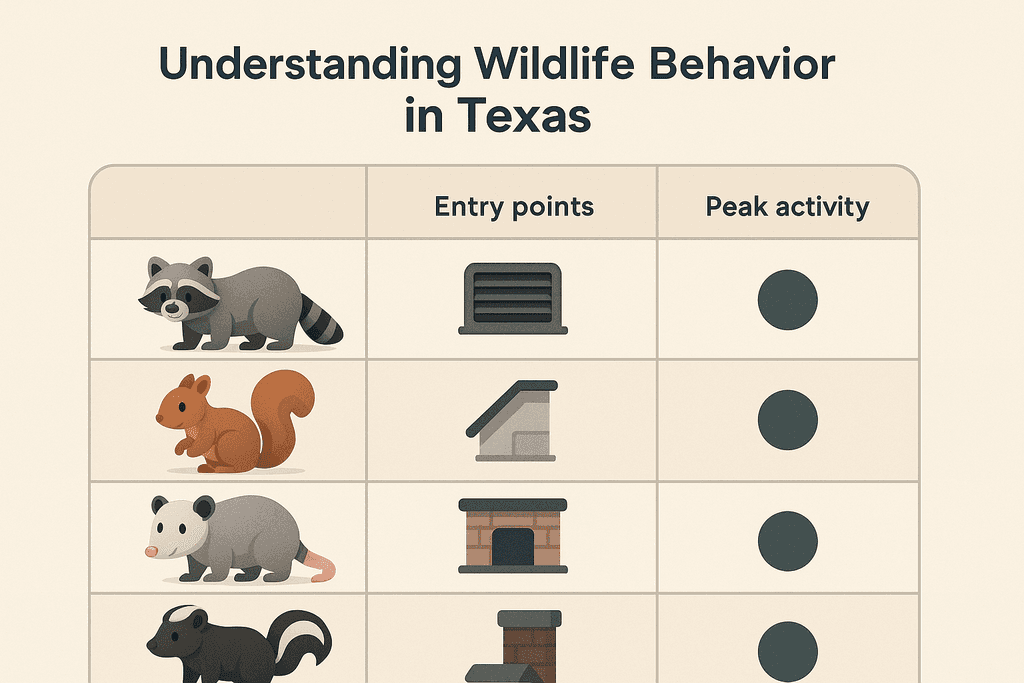
background section
Common Wildlife Intruders in North Texas
The Dallas-Fort Worth area deals with several types of wildlife problems throughout the year. Each animal has its own habits and favorite spots to break into your home. Knowing which critters you're dealing with helps you understand what kind of damage to expect and when to watch out for them.
Here are the most common uninvited guests Texas homeowners face:
- Raccoons are smart and strong, often tearing through roof vents and soffits to get inside attics
- Squirrels chew through wood and electrical wiring, creating fire hazards while building nests
- Opossums squeeze through foundation gaps and live under porches or in crawl spaces
- Bats slip through openings as small as a dime and form colonies in attics
- Rodents like rats and mice enter through tiny cracks and multiply quickly once inside
Seasonal Patterns and Peak Activity
Wildlife activity in Texas follows predictable patterns based on breeding seasons and weather changes. Spring brings baby season when animals desperately search for safe nesting spots. Fall sees increased activity as critters prepare for winter and look for warm places to spend the cold months.
Different animals prefer different entry points and times of year to invade homes. Raccoons peak in spring when mothers need dens for babies. Squirrels cause the most problems in fall and winter. Bats become active in warm months but roost year-round once they find a good spot.
The comparison below shows when each animal is most active and where they typically enter:
| Animal | Preferred Entry Points | Peak Activity Season | Common Damage |
|---|---|---|---|
| Raccoons | Roof vents, soffits, chimneys | Spring (March-May) | Torn insulation, contamination |
| Squirrels | Roof edges, fascia boards, gable vents | Fall/Winter (Sept-Feb) | Chewed wires, structural damage |
| Opossums | Foundation gaps, crawl space vents | Year-round | Odor, parasites, debris |
| Bats | Eaves, ridge vents, small gaps | Spring/Summer (April-Aug) | Guano buildup, health risks |
| Rodents | Utility lines, small cracks, pipes | Fall/Winter (Oct-March) | Disease spread, food contamination |
Why Animals Choose Your Home
Wildlife doesn't randomly pick houses to invade. They're looking for three basic things that your home might accidentally provide. Shelter from weather and predators tops the list, followed by nearby food sources and water access. Your attic stays warm in winter and cool in summer, making it more comfortable than a tree hollow or ground burrow.
Animals also prefer quiet, dark spaces where they won't be disturbed. Attics check all these boxes since most homeowners rarely go up there. Walls provide narrow spaces perfect for smaller animals to hide and travel through your home. Crawl spaces offer ground-level access with protection from the elements.
Here's what makes your property attractive to wildlife:
- Overgrown trees and bushes that touch your roof create highways for squirrels and raccoons
- Unsealed garbage cans and pet food left outside signal easy meals
- Standing water in gutters or birdbaths provides drinking sources
- Small gaps in your home's exterior that seem harmless but animals can exploit
The Real Cost of Wildlife Damage
The average Texas homeowner spends between $2,000 and $5,000 dealing with wildlife intrusions when you add up removal, repairs, and cleanup. That number jumps higher if animals damage electrical systems or HVAC equipment. Insurance companies often don't cover wildlife damage, leaving you to foot the entire bill.
Beyond money, wildlife in your home creates serious health risks. Animal droppings carry diseases and attract insects. Contaminated insulation loses effectiveness and spreads bad odors throughout your house. Some companies like Wildlife X Team offer comprehensive solutions that include removal, cleanup, and prevention to stop the cycle before costs spiral out of control.
The damage timeline matters too:
- Week one sees animals establishing their presence and creating entry damage
- Weeks two through four bring nesting materials and waste accumulation
- Month two onward means structural damage, chewed wires, and potential fire hazards
- Extended infestations lead to thousands in repairs and complete insulation replacement
Prevention costs a fraction of what you'll spend fixing damage after animals move in. Simple exclusion techniques stop problems before they start, protecting both your wallet and your family's health.
Foundation and Ground Level Protection
Most Texas homeowners don't realize that wildlife can squeeze through gaps as small as a quarter inch. Your home's foundation is basically an open invitation to raccoons, squirrels, and other critters looking for shelter from the Texas heat. The ground level is where most animals start their search for entry points, and it's often the most overlooked area when people try to protect their homes. Sealing these vulnerable spots isn't just about blocking one hole. It's about creating a complete barrier that keeps wildlife out for good.
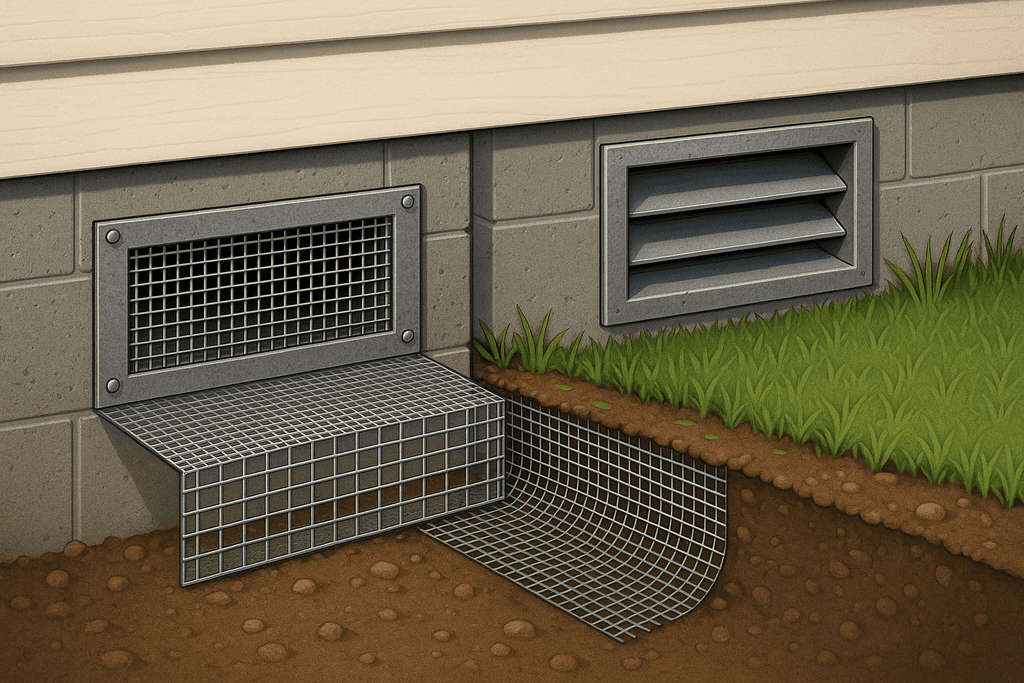
Foundation and Ground-Level Protection
Foundation cracks and gaps need more than just a quick patch job. Professional exclusion involves using steel mesh combined with concrete to create a barrier that animals can't chew through or dig under. This is where many DIY attempts fall short because regular caulk or foam just becomes a snack for determined rodents.
- Crawl space vent guards prevent rodents from entering through ventilation openings
- Hardware cloth barriers around decks and porches stop animals from creating dens underneath
- Proper drainage systems discourage wildlife from digging near your foundation
- Steel mesh reinforcement provides long-lasting protection against chewing and scratching
The area around your deck and porch creates perfect hiding spots for wildlife. Installing barriers made from hardware cloth around these spaces eliminates those cozy den sites. Good drainage matters too because standing water attracts animals and softens soil, making it easier for them to dig their way in.
Roof and Attic Entry Point Solutions
Your roof is basically a highway for squirrels and raccoons in Texas. These animals are expert climbers, and they know exactly where to look for weak spots. Roof vents, soffits, and chimneys are the top three entry points we see in the Dallas-Fort Worth area. What makes this tricky is that some of these openings aren't obvious from the ground, which is why professional inspections often find multiple entry points that homeowners miss.
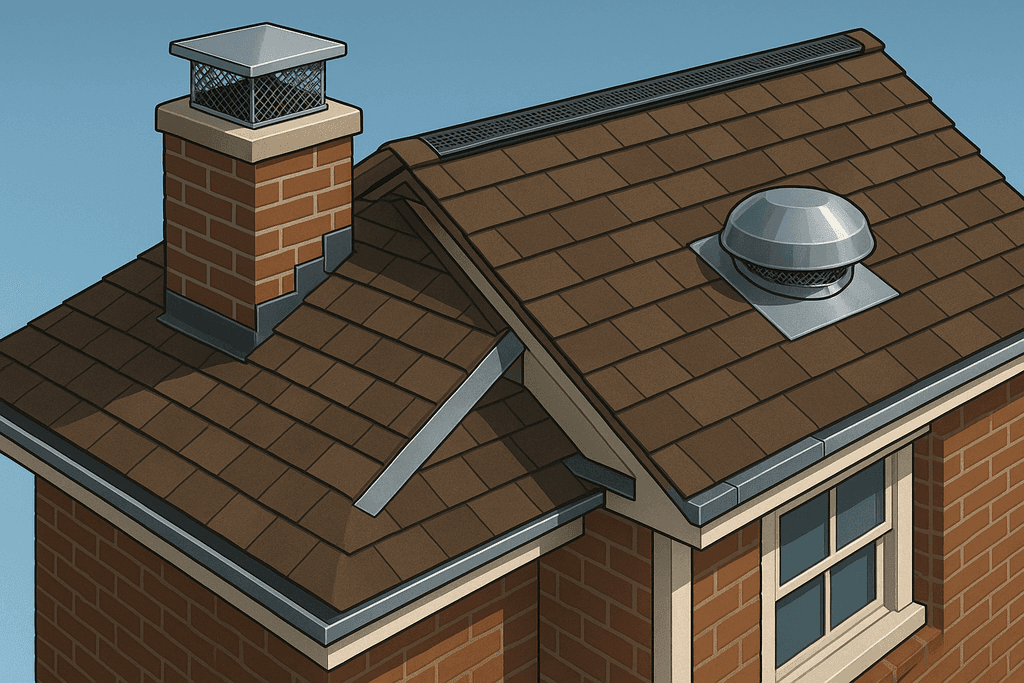
Roof and Attic Entry Point Solutions
Chimney caps with proper mesh sizing are essential because raccoons love using chimneys as den sites, especially during breeding season. The mesh needs to be small enough to keep out squirrels but large enough to allow proper ventilation and prevent dangerous carbon monoxide buildup.
Understanding the difference between trapping and exclusion can save you time and money. Roof vents need heavy-duty screens that can withstand Texas weather and persistent wildlife. Standard window screens won't cut it because squirrels can chew through them in minutes.
- Soffit and fascia repairs using wildlife-resistant materials prevent repeat intrusions
- Roof-to-wall intersections must be sealed to eliminate hidden gaps
- Ridge vent guards keep squirrels from entering through the peak of your roof
- Tree branch trimming removes the natural bridges animals use to access your roof
One customer, Jesse Bernard, thought he only had one obvious entry point in his attic. The inspection team found several others he never would have spotted on his own. That's the reality of wildlife exclusion. What looks like a single problem is usually multiple vulnerabilities working together.
Advanced Sealing and Barrier Techniques
Professional-grade exclusion goes way beyond what you'll find at the hardware store. The materials matter because wildlife in Texas is persistent, and they'll test every barrier you put up. Expanding foam mixed with steel wool creates a barrier that's both flexible and impossible to chew through. Regular expanding foam alone is useless because rodents treat it like cotton candy.
Weather-resistant caulking needs to handle Texas temperature swings without cracking. The seams around windows, doors, and utility penetrations are common weak points that need professional-grade sealants.
- One-way exclusion doors allow animals to leave but not return during active infestations
- Galvanized steel mesh provides physical barriers that last for years
- Proper ventilation balance maintains air flow while keeping wildlife out
- Comprehensive inspections identify every potential entry point before sealing begins
The Wildlife X Team inspection process involves checking areas most homeowners never think about. This detailed approach is what separates effective exclusion from temporary fixes. You can't seal what you can't find, and animals are experts at exploiting the gaps you miss.
Many people try DIY exclusion and end up trapping animals inside their walls or attic. That creates a much worse problem than the original intrusion. Professional services use one-way doors that let animals exit safely while preventing re-entry, which is both more humane and more effective.
Long Term Maintenance and Monitoring
Exclusion work isn't a one-and-done deal in Texas. Weather, settling foundations, and normal wear can create new vulnerabilities over time. Seasonal inspections help catch small problems before they become major wildlife invasions. Spring and fall are the best times to check your exclusion barriers because that's when animals are most actively searching for shelter.
Signs that barriers need attention include fresh scratch marks, droppings near sealed areas, or unusual sounds in walls and attics. Your attic insulation also needs regular checks because damaged insulation can indicate hidden entry points or past wildlife activity.
- Check foundation seals after heavy rains or ground settling
- Inspect roof barriers before and after storm season
- Look for new gaps around utility lines and pipes
- Monitor tree growth near rooflines
- Watch for signs of digging around foundation barriers
The Renewable Lifetime Warranty from Wildlife X Team takes the guesswork out of long-term protection. Instead of wondering if your barriers are still working, you get ongoing professional monitoring and repairs as needed. This kind of coverage makes sense in Texas where wildlife pressure is constant year-round.
Knowing when to call for a professional re-inspection saves money in the long run. If you notice any wildlife activity around your property or find damage to exclusion barriers, getting it checked quickly prevents small issues from becoming expensive repairs. Most homeowners wait too long and end up dealing with animals that have already moved back in.
Protecting Your Texas Home Starts Now
These ten exclusion techniques work best when used together, not just one at a time. A raccoon might not get through your chimney cap, but it could still find that loose vent on the other side of your house. The truth is that most Texas homes have multiple weak spots that wildlife can exploit, and finding all of them takes a trained eye.
Paying for professional exclusion might seem like more money upfront compared to just removing an animal. But think about it this way: removing a raccoon costs money, and if that raccoon can just walk back in through the same hole next week, you're paying for removal again and again.
Our Wildlife Inspection Report identifies every potential entry point on your property, not just the obvious ones. We've seen homeowners patch one hole themselves only to have squirrels move in through a gap they didn't even know existed. The inspection covers everything from your foundation to your roof, including spots that are easy to miss like where different building materials meet or where utility lines enter your home.
The exclusion work itself matters too. A poorly installed vent guard might keep animals out for a few months before it loosens or rusts. Professional-grade materials and proper installation mean the job actually lasts, which is why we back our work with a renewable lifetime warranty.
Still have questions about which techniques make sense for your specific situation? The answers might depend on factors you haven't considered yet.
Common Questions About Wildlife Exclusion
Most homeowners have similar concerns when it comes to keeping wildlife out of their homes. The questions below cover everything from timing and costs to what actually happens during the exclusion process. Understanding these basics helps you make better decisions about protecting your property from unwanted animal visitors.
How long does wildlife exclusion last?
Professional wildlife exclusion can last for many years when done correctly. The materials used, like heavy-gauge steel mesh and commercial-grade sealants, are built to withstand Texas weather and persistent animals. Wildlife X Team backs their work with a Renewable Lifetime Warranty, which means you're covered long-term if any animals find a way back in.
Can I do wildlife exclusion myself or should I hire professionals?
You can handle simple tasks like replacing a damaged vent cover, but most exclusion work requires professional expertise. Animals often use multiple entry points that aren't obvious to untrained eyes, and sealing just one spot usually doesn't solve the problem. Professional wildlife technicians know where to look and how to properly seal entry points so animals can't chew or claw their way back through.
What's the difference between exclusion and removal?
Removal gets the animals out of your home right now, while exclusion keeps them from getting back in later. Think of removal as the immediate fix and exclusion as the long-term solution. Most companies, including Wildlife X Team, combine both services because removing animals without sealing entry points just means new ones will move in next week.
When is the best time of year for wildlife exclusion in Texas?
Late winter and early spring work best for exclusion in Texas, before animals start having babies. Sealing entry points when young animals are inside can trap them, which creates bigger problems. Fall is also a good time since animals are actively looking for warm winter shelter and you can stop them before they settle in.
Does exclusion harm the animals?
Proper exclusion doesn't hurt animals at all. The goal is to guide them out safely using one-way doors and then seal the openings after they leave. Humane exclusion methods ensure animals can exit but not re-enter, giving them time to find new shelter elsewhere without injury or stress.
What does Wildlife X Team's warranty cover?
The Renewable Lifetime Warranty covers the exclusion work performed on your property. If wildlife finds a way through the sealed areas or barriers that were installed, Wildlife X Team comes back to fix it at no additional cost. This warranty gives you peace of mind that your investment in exclusion work will protect your home for years to come.